Anthropic and OpenAI cut AI costs · RevenueCat adds billboard prize
|
The Mobile Takeaway
For people who ship apps
|
Wednesday, September 23, 2026
|
A lot has happened in the last 2 days, including Anthropic and OpenAI launching cheaper Claude 5.5 and GPT-6 models to lower operational costs for developers.
RevenueCat added a Times Square billboard demo prize for its Shipaton winners, offering a chance to pitch to passersby in New York.
Platform
| • | Anthropic and OpenAI launch lower-cost Claude 5.5 and GPT-6 models 9to5Google Anthropic and OpenAI released Claude Opus 5.5 and GPT-6 Sol and Luna today, providing updated model capabilities alongside reduced operational costs for app developers. |
| • | Meta Ray-Ban smart glasses shipments grow 250% ahead of Android XR 9to5Google Meta's Ray-Ban smart glasses shipments surged over 250 percent despite public backlash, indicating strong consumer interest in wearables as Google prepares to launch its competing Android XR platform. |
| • | Apple investigates screen-less fitness tracker to compete with Whoop AppleInsider Bloomberg reports Apple is prototyping a screen-less health wearable, signaling a potential new device category to compete with fitness trackers like the Whoop 5. |
| • | Apple Pay adds four new features and major service expansion 9to5Mac Apple is rolling out four store, in-app, and web transaction updates plus a major expansion, though the announcement lacked technical documentation or developer implementation requirements. |
Monetization
 | ▶ YouTube · 7 min App Masters The Viral Screen Framework: Reaching $300k MRR via Social Validation |
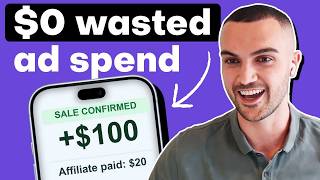 | ▶ YouTube · 10 min Sub Club by RevenueCat The affiliate marketing playbook for apps |
| • | Amazon blocks Meta's Muse agent from autonomous purchasing to protect ad revenue Mobile Dev Memo Amazon's restriction on autonomous AI purchasing shifts commerce toward advertising-based partnerships, forcing Meta to align with first-party data incentives for sustainable monetization. |
| • | Use TikTok organic to validate ad hooks before Meta spend Growth Gems Validate messaging by posting organic TikTok content to identify high-performing hooks before committing paid acquisition budget to Meta campaigns. |
Business
| • | Android Chargeback Fees @HHaandr Google charges developers roughly $20 for every in-app purchase chargeback on the Play Store. To mitigate these costs, Google’s `PendingRefundReviewNotification` API allows you to provide data to help dispute chargebacks with banks. RevenueCat now supports this API. Hendrik Haandrikman suggests selecting "prefer no refund" on Android to help Google fight these claims, as these fees are passed directly to you.
If you're generating revenue on Android, go to Play Console > Download Reports > Financial > filter on chargebacks right now
Google will charge you $20 when a customer charges back an in-app purchase on the Play Store (in addition to taking back the actual earnings)
To help you dispute those chargebacks, Google introduced the PendingRefundReviewNotification API
And to help you actually use that API, we now support it in Refund Handling
It's important to understand that this is not actually about refunds (for now: Google has said they might add those later)…
|


| • | Times Square Demo Day @HHaandr RevenueCat announced a new prize for Shipaton category winners: a demo spot in Times Square on October 22nd. Winners attending New York App Week can pitch to passersby while their apps appear on the billboards. This experience focuses on customer centricity, giving founders direct access to users. Submissions for the Shipaton remain open for about one more week. |

The next issue, in your inbox.
Apple and Google updates, pricing and paywalls, and the numbers behind app businesses. Get the brief every weekday morning.
Free. Every weekday. Unsubscribe anytime.